DTF Printing
Direct to FilmFull-colour transfers that bond to almost any fabric — cotton, polyester, blends, even nylon. Vivid colour, sharp detail, and no minimum order. Our default for complex artwork and small runs.
DTF · DTG · Embroidery · Screen Print
We print and embroider on heavyweight, pre-shrunk cotton — garments and caps chosen to hold their shape, their colour and their fit. Four methods under one roof, for streetwear labels, luxury houses and corporate teams alike.
What we do
Each technique has work it is genuinely best at. Tell us the garment, the artwork and the quantity, and we will specify the right one — including when that is the less expensive option.
Full-colour transfers that bond to almost any fabric — cotton, polyester, blends, even nylon. Vivid colour, sharp detail, and no minimum order. Our default for complex artwork and small runs.
Ink printed straight into the cotton fibres. Photographic detail, unlimited colours, and a print you genuinely cannot feel. Best on 100% cotton tees for one-offs and short runs.
Real thread, real texture, and it outlives the garment. The finish clients expect on caps, polos and jackets — and the one that makes corporate uniforms look like a brand instead of a budget.
The most durable, most cost-effective method once volume kicks in. Punchy opaque colour that survives hundreds of washes. If you're ordering fifty or more of the same design, this is the one.
The garments
We source heavyweight, pre-shrunk cotton that keeps its shape and colour through repeated washing — the kind of blank that makes a print look considered. Or we'll work on garments you supply.
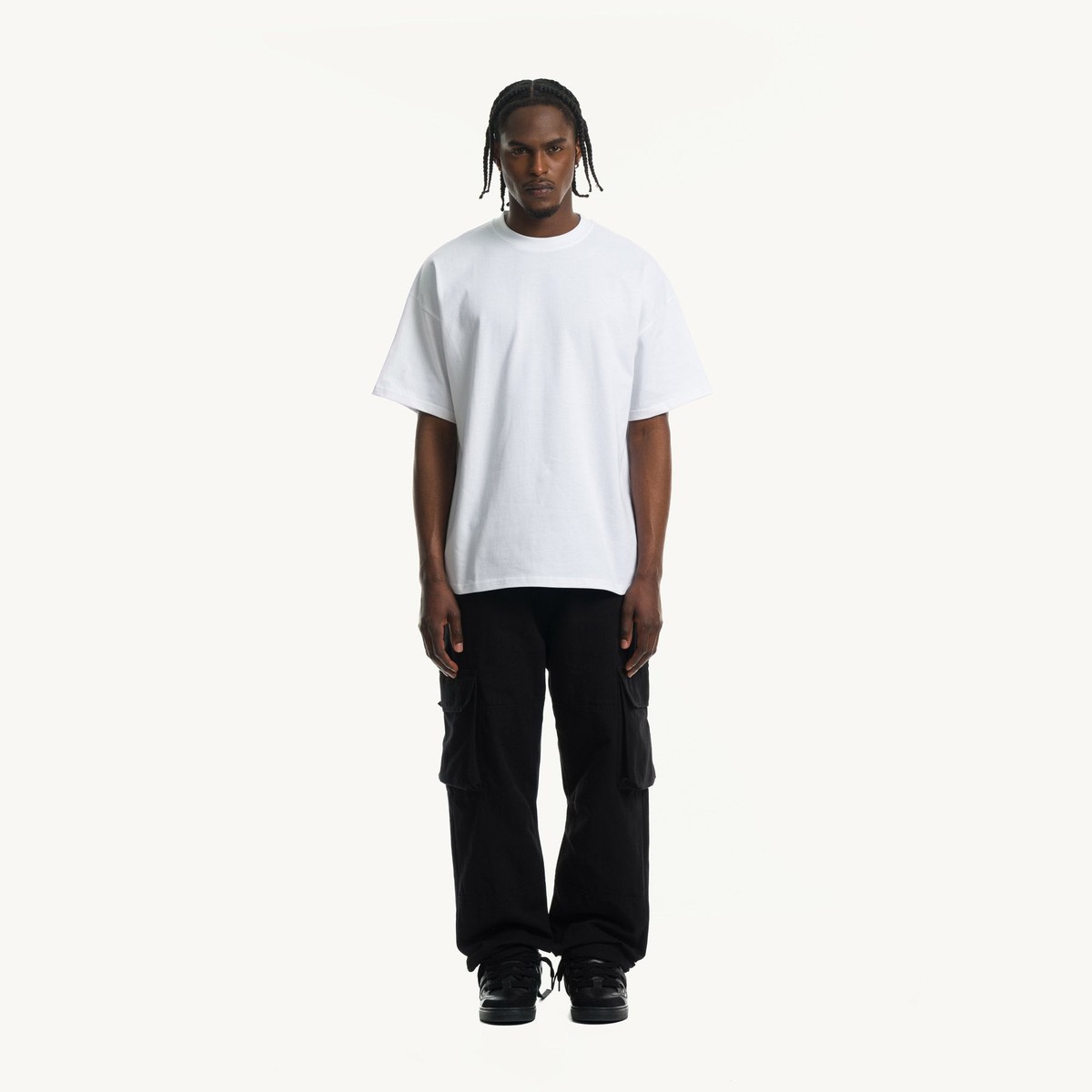
Cotton, blends, heavyweight
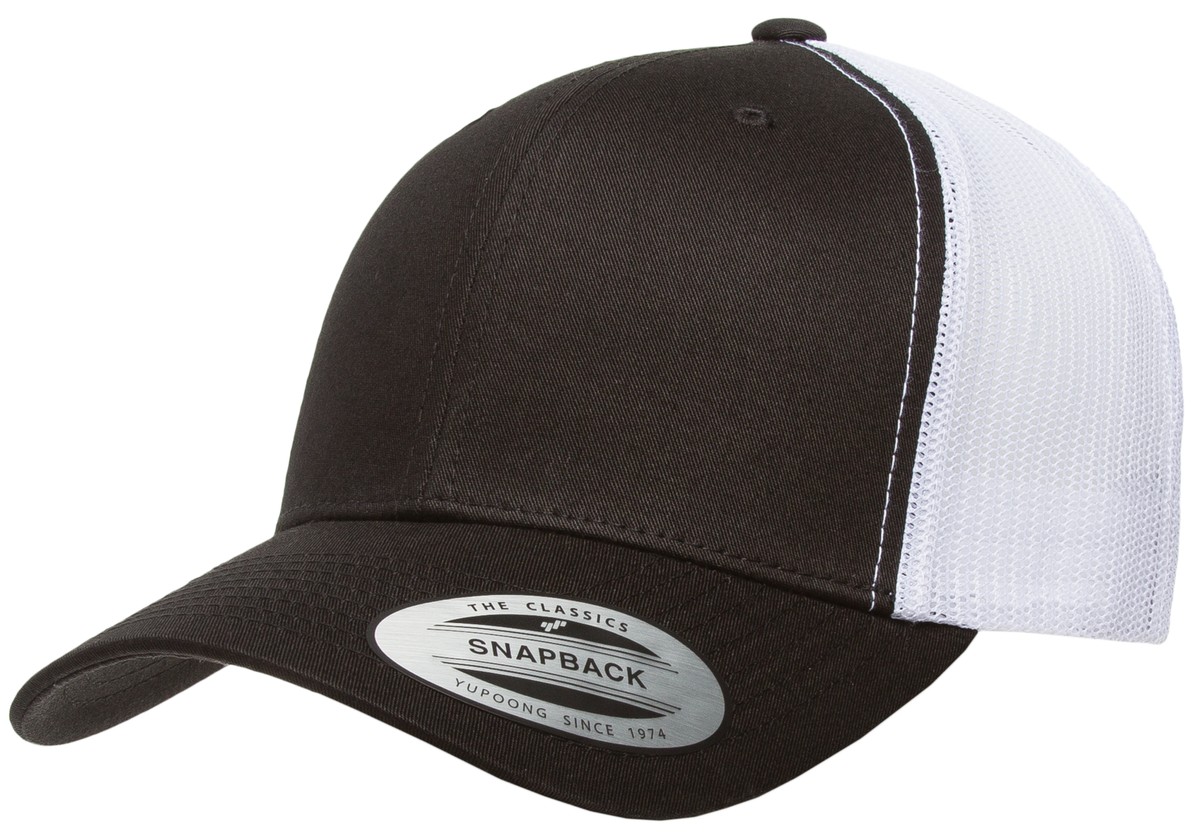
Snapback, trucker, 5-panel
Pique, performance, corporate
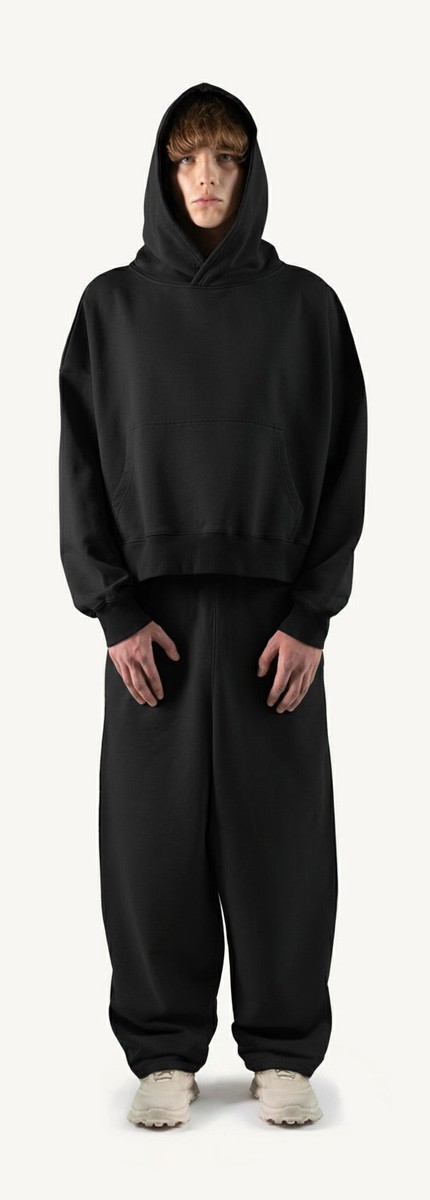
Pullover, zip, fleece-lined
Uniforms, hi-vis, jackets, aprons
Totes, drawstring, canvas
Shrinkage is taken out before the garment reaches you, so the size on the label is the size it stays. No surprises after the first wash.
Heavyweight cotton with genuine substance — opaque, structured, and nothing like the thin blanks most shops default to.
Soft, breathable and dense enough to take ink and thread cleanly, which is what keeps fine detail looking sharp.
How it works
Artwork, garment, quantity, deadline. A phone photo of a sketch is a fine start — we'll work out the rest with you.
You get a fixed price and a digital mockup on the actual garment colour. Nothing goes to production until you've seen it.
Approved and paid, your job hits the floor. Every piece is checked before it's folded — misprints never leave the building.
Typically 3–5 working days. Rush jobs are usually possible — ask, and we'll tell you straight whether we can hit your date.
Why Inkstitch
Most shops own a single machine and sell you that. We run all four, so the method you get is the one that suits the garment and the artwork.
Streetwear labels, luxury boutiques, hospitality groups, corporate teams — from a fifty-piece drop to a full staff uniform programme. The standard does not move with the logo on the box.
DTF and DTG make a single piece viable. Sample a design properly before committing to a hundred of them.
You sign off a digital proof on the actual garment colour. Nothing reaches production unseen.
Setup, screens and thread colours are inside the quote — not added once you have already agreed to it.
Artwork, thread codes and garment specifications are kept on record — so a new starter's uniform matches the ones issued a year ago. A reorder is a message, not a fresh brief.
Common questions
DTG prints ink directly into the fibres of a cotton garment, giving a very soft finish and photographic detail — it works best on 100% cotton. DTF prints onto a film that is then heat-pressed onto the garment, so it bonds to almost any fabric including polyester and blends, with stronger, more vivid colour. For cotton tees we usually recommend DTG; for mixed fabrics, hard wear, or bright colour on dark garments, DTF.
There is no minimum for DTF and DTG — we will produce a single piece, which makes sampling a design realistic before you commit to a bulk run. Screen printing becomes cost-effective from around fifty pieces of the same design, and embroidery has no hard minimum.
Typically 3–5 working days from artwork approval. Rush work is often possible — tell us your deadline when you enquire and we will confirm honestly whether we can meet it before you pay anything.
Embroidery, in most cases. Caps have a structured, curved surface that thread handles far better than ink, and a stitched logo holds its shape and colour for the life of the cap. For large photographic artwork on a flat-panel cap, DTF is the alternative.
Vector files (AI, EPS, PDF or SVG) give the sharpest result, particularly for screen printing and embroidery. High-resolution PNG or JPEG at 300dpi is fine for DTF and DTG. If all you have is a sketch or a phone photo, send it anyway — we will tell you what is needed to make it production-ready.
Yes. We print and embroider on customer-supplied garments as well as on blanks we source. If you are supplying your own, tell us the fabric composition up front, because it determines which methods are possible.
Not if the method matches the fabric, which is precisely why we run four of them. Screen printing and embroidery are the most durable over hundreds of washes; DTF is highly elastic and resists cracking; DTG sits inside the fibres, so there is nothing to peel off. Washing inside out at 30°C gets the longest life from any of them.
It depends on the method, the garment, the number of colours and the quantity — unit cost drops sharply with volume, especially for screen printing. Send the details and you get a fixed, all-in quote with setup and screens included rather than added afterwards.
Yes — staff uniforms, hospitality kit and corporate merchandise are a significant part of what we do. Artwork, thread codes and garment specifications stay on file, so repeat orders and new-starter kit match what was issued previously.

Get a quote
Fill this in and it opens WhatsApp with everything already written out — just hit send. Most quotes come back the same working day.