DTG printing · Bahrain
Direct-to-garment printing puts ink into the fibres of a 100% cotton tee, not on top of it — photographic detail, unlimited colours, and a print you can't feel. We run it in Bahrain on heavyweight organic-cotton blanks, from a single piece up, with a mockup in your hands before you pay a fils.
What it is
DTG — direct-to-garment — is digital printing for clothing. The garment goes into the printer flat, a print head lays down water-based textile ink straight onto the fabric, and the ink is cured with heat so it bonds inside the cotton fibres. There is no screen, no film, no transfer: whatever is in the artwork file is what ends up on the shirt, gradients and photographs included.
That is why it feels different. A screen print or a transfer sits on the surface and you can feel the edge of it; a DTG print is part of the cloth. On a heavyweight cotton tee it reads like the garment was made that way — which is the effect streetwear labels and premium brands are usually chasing.
The trade-off is fabric. DTG wants cotton with a smooth, tight face. On polyester, blends and performance fabrics the ink cannot bond properly, so for those we use DTF instead. We run both, so you get the method that suits the garment rather than the one we happen to own.
When to choose it
No screens to burn, no setup to amortise. A single sample costs what a single sample should. Prove the design before you order fifty.
Photographs, painted textures, fine gradients, a hundred colours — DTG doesn't count colours, so none of that costs extra or gets simplified.
Luxury and streetwear buyers notice a stiff print. DTG on heavyweight cotton leaves the fabric's drape and softness exactly as it was.
Sports kit, blended hoodies, nylon — the ink won't bond. We'll switch you to DTF, which prints on almost anything.
At volume with a simple, flat-colour design, screen printing is cheaper per piece and even more durable. We'll tell you when you cross that line.
DTG needs a flat print bed. Caps, polos with plackets and jackets are embroidery or DTF territory — and usually look better for it.
Blanks we print on
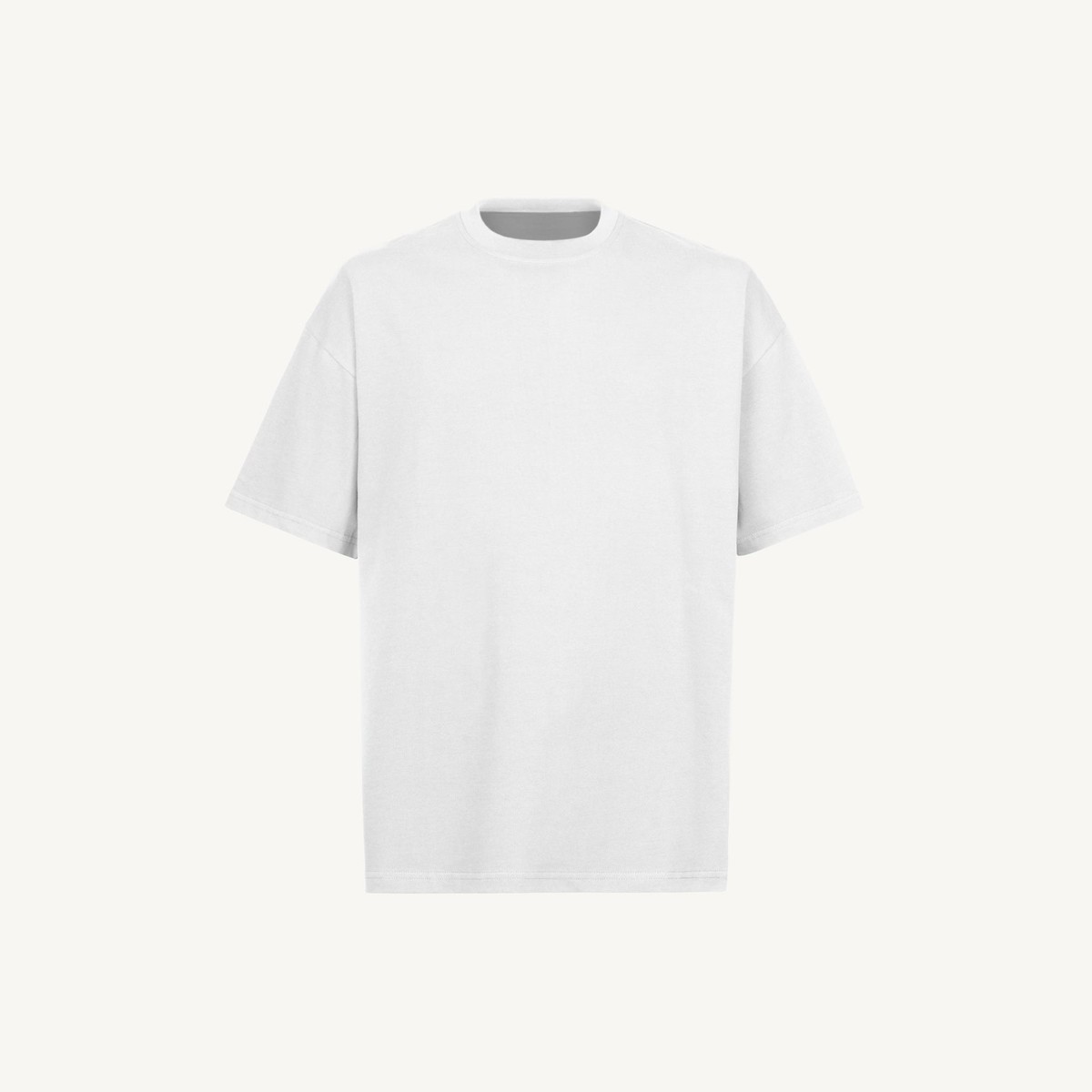
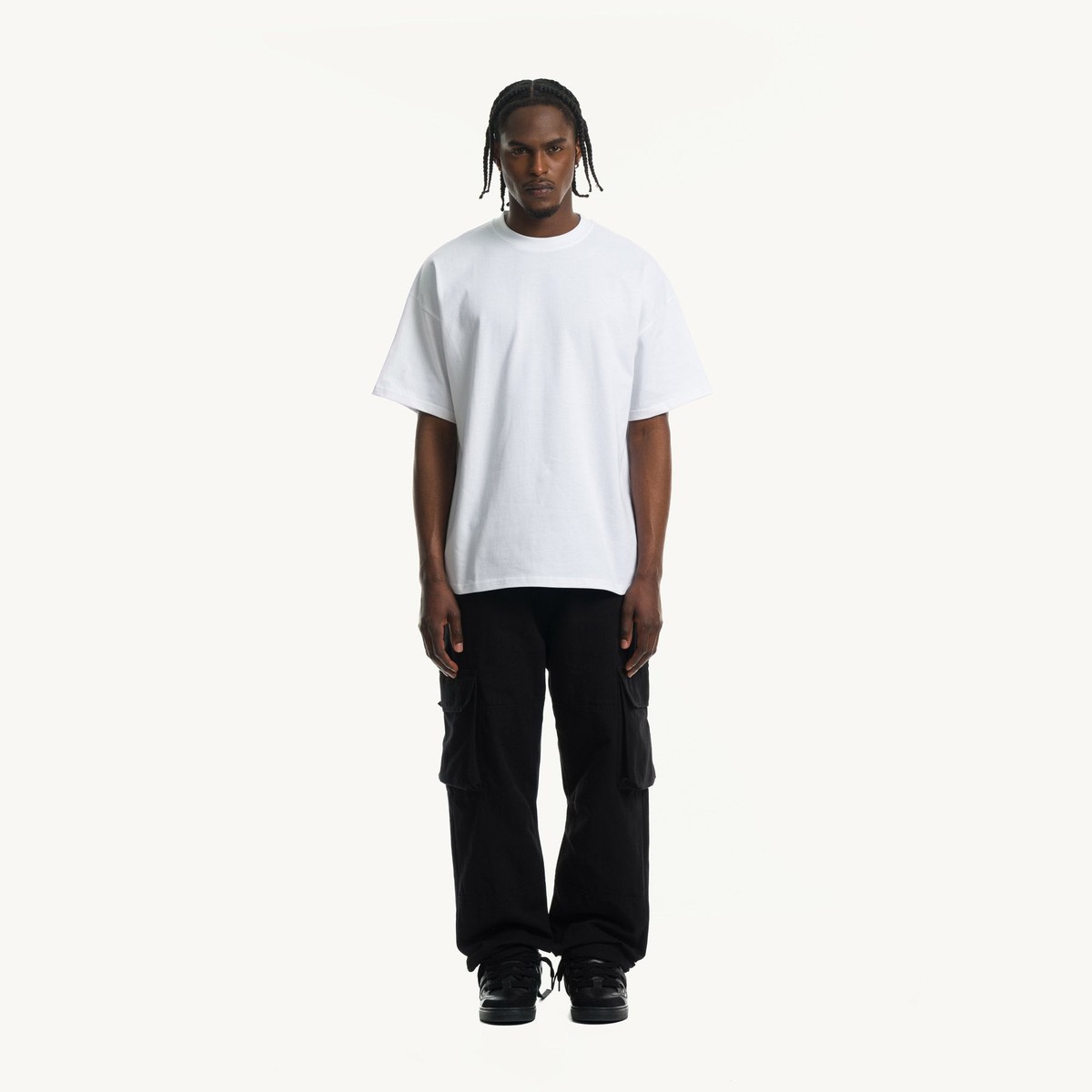
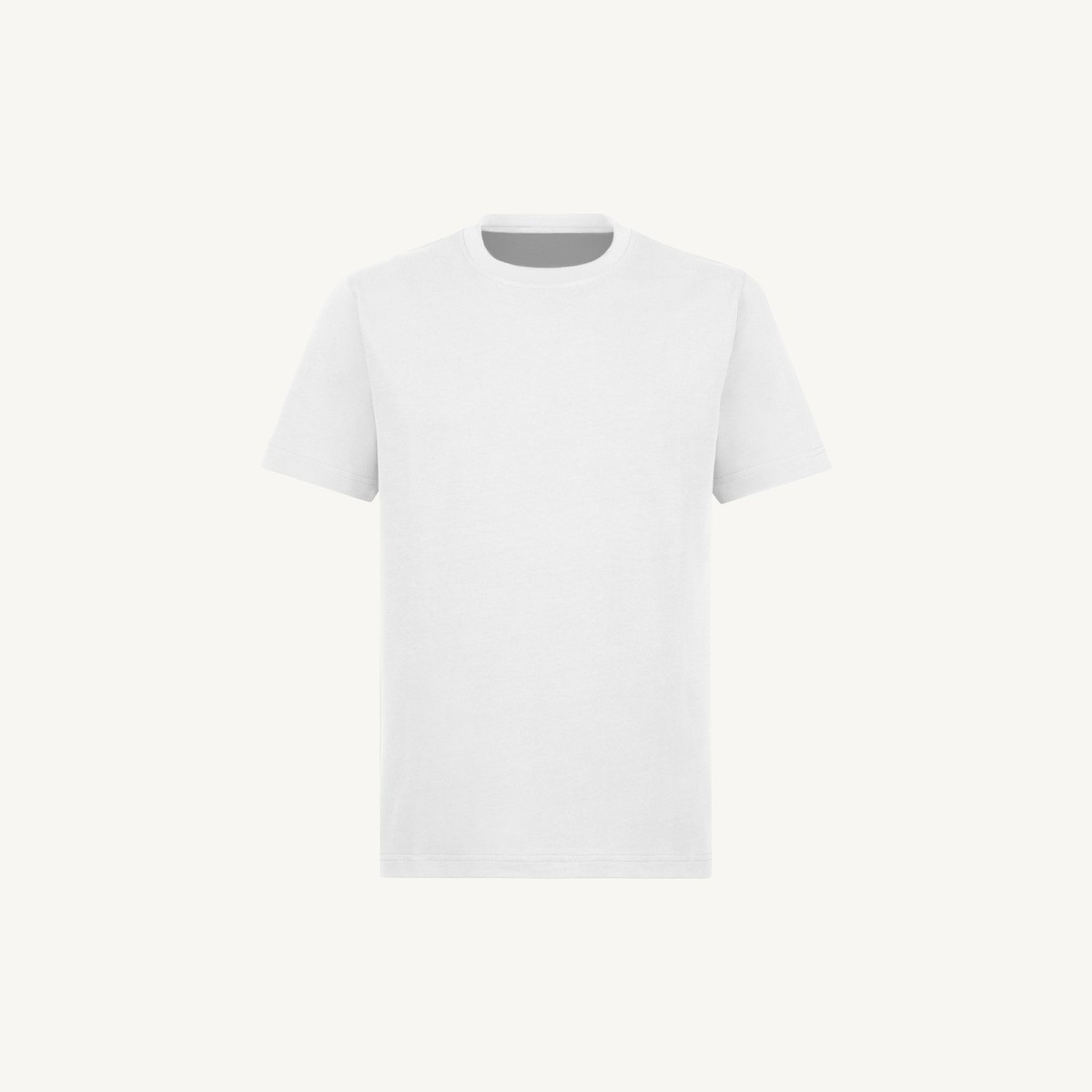
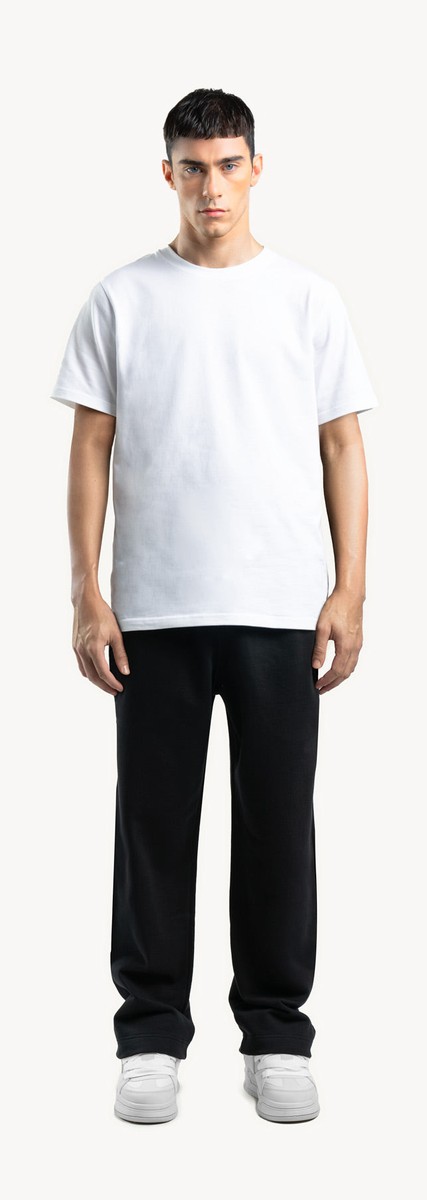
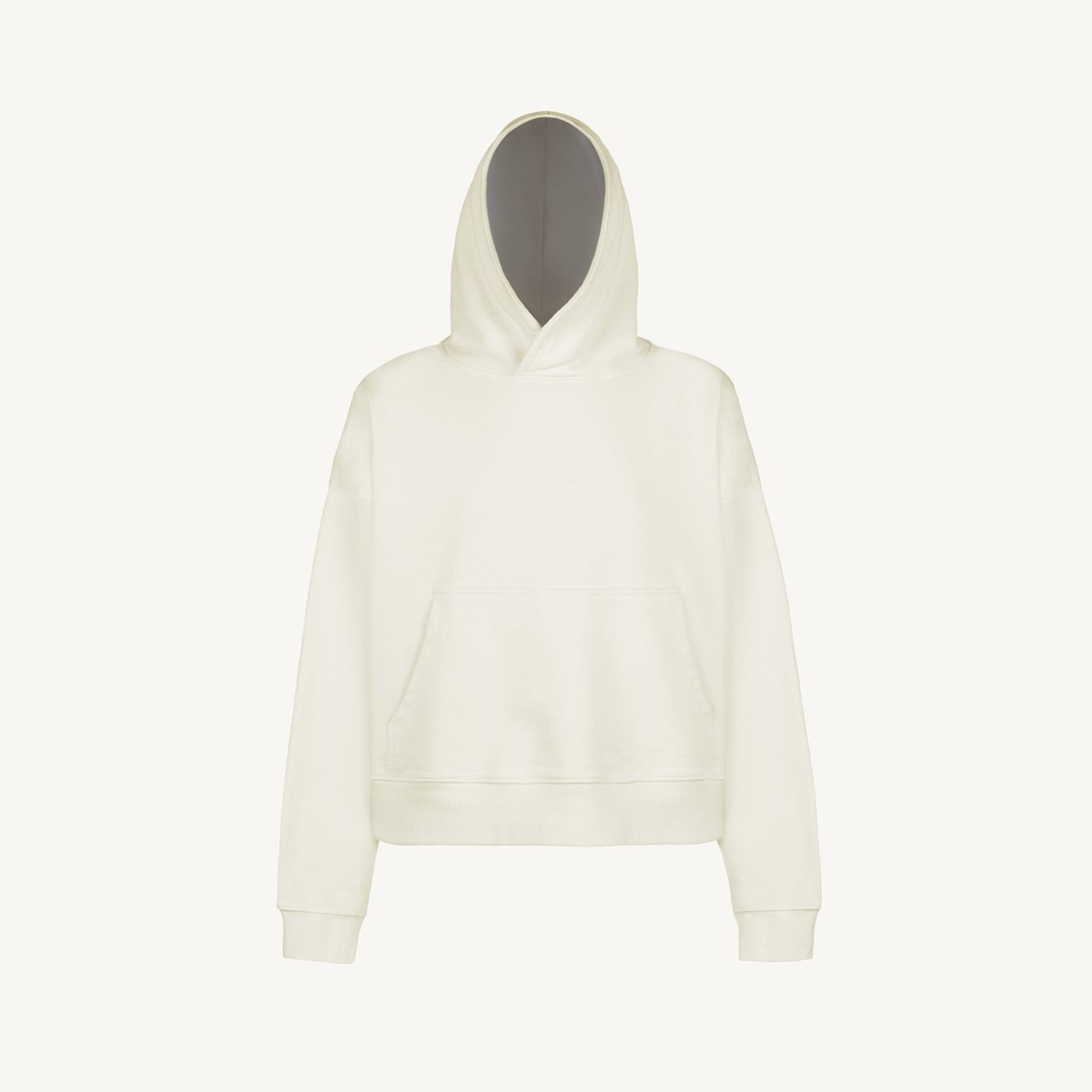
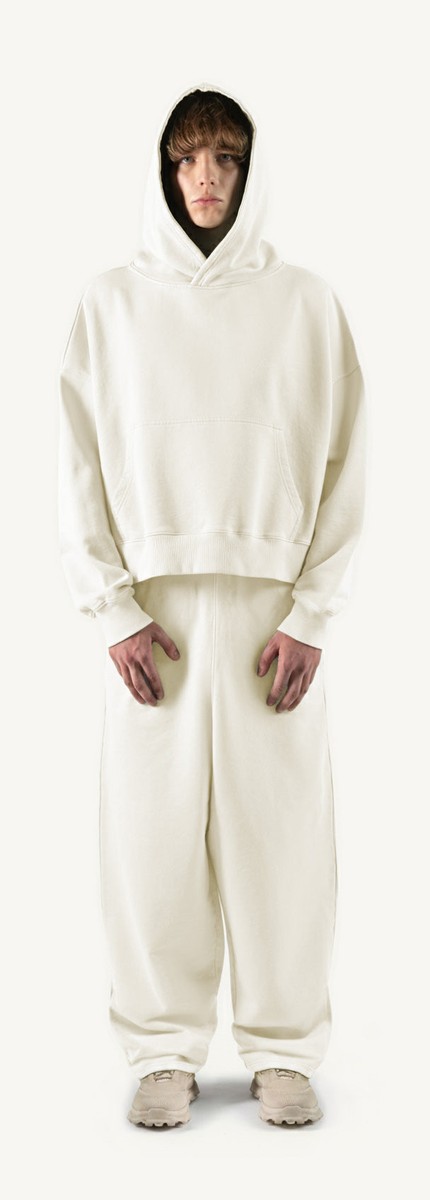
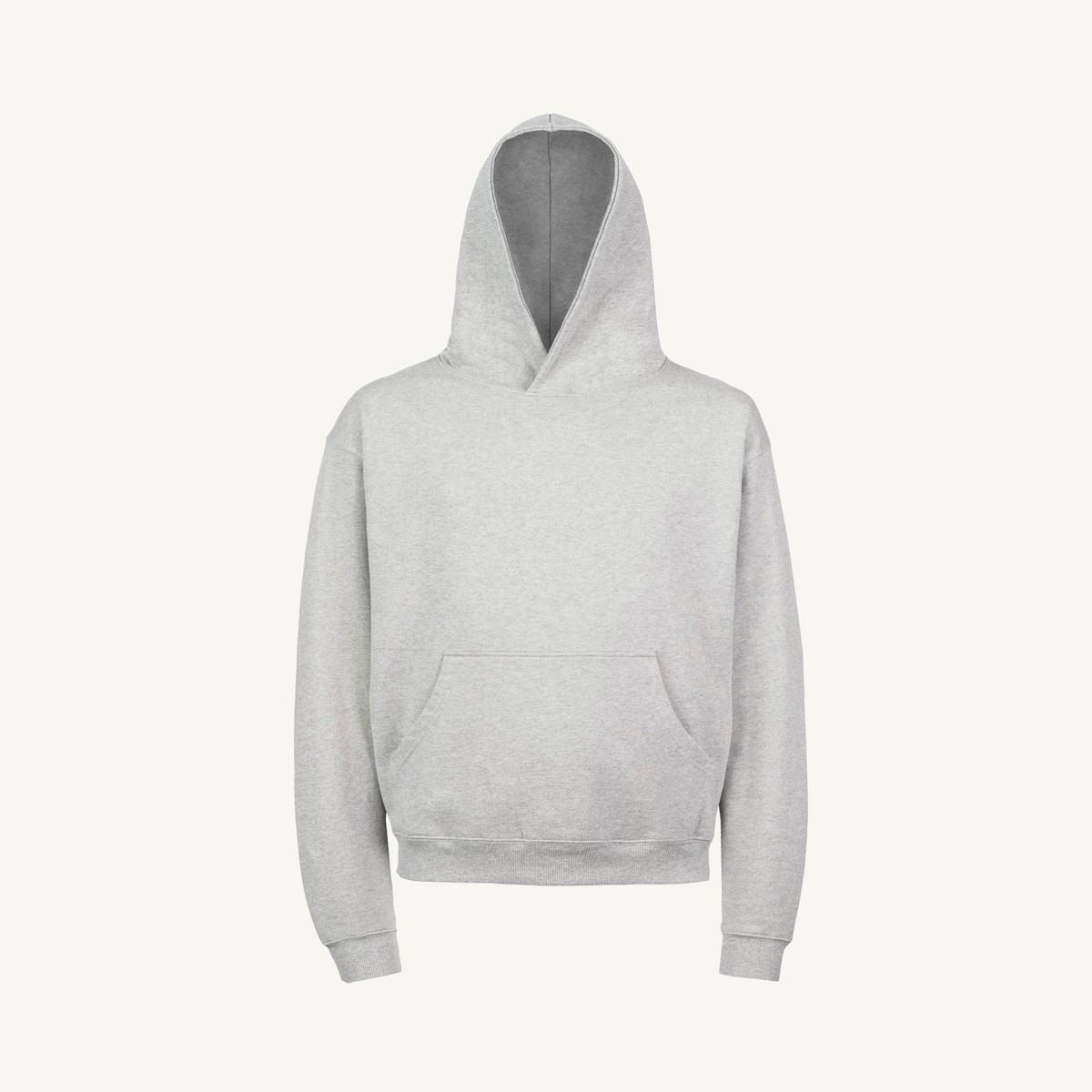
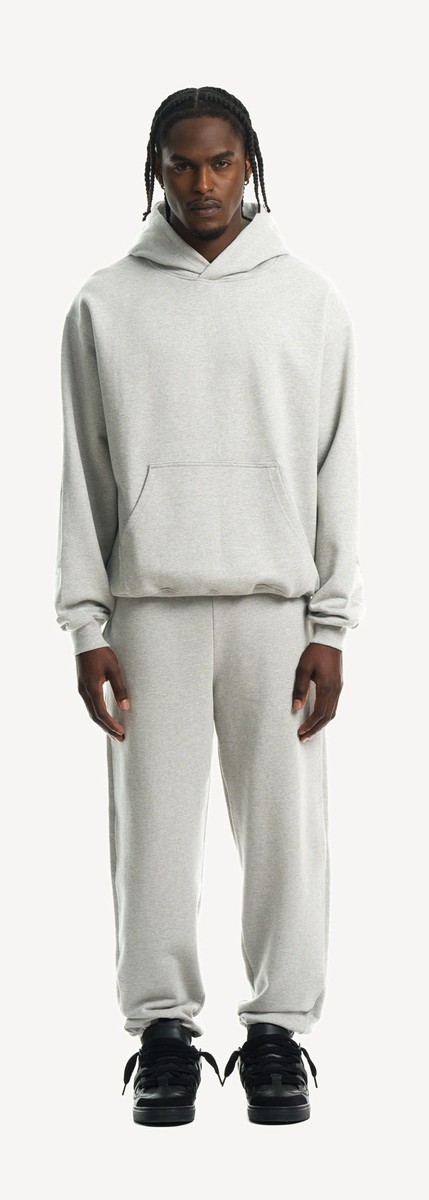
These are the garments we stock and DTG-print in Bahrain — 100% organic combed cotton, pre-shrunk, heavyweight. The smooth jersey face is what lets the ink sit clean and sharp. Every colour is in the catalog, and you can bring your own cotton garments too.
How it works
A PNG with a transparent background at 300dpi is ideal; vector files are welcome; a sketch or a phone photo is a fine start. Tell us the garment, quantity and the date you need it.
You get a fixed price and a digital mockup on the actual garment colour. Nothing is printed until you've approved it — so what you see is what gets made.
Dark garments get a pre-treatment and a white underbase so colours sit bright on black and navy. The print is heat-cured into the fibre and every piece is checked before it's folded.
Typically 3–5 working days. Need it faster? Ask — rush jobs are usually possible and we'll tell you straight whether we can hit your date.
Questions
No. DTG is a digital process, so we print single pieces at the same quality as a run of fifty. It's the right way to sample a design before committing to a bulk order.
Typically 3–5 working days from approved mockup to collection. Rush jobs are usually possible — tell us the date when you ask for a quote and we'll say honestly whether we can hit it.
Yes. Dark garments are pre-treated and printed with a white underbase first, so colours sit bright and accurate on black, navy and vintage tones as well as on white.
100% cotton with a smooth, tight face. Our stocked blanks — heavyweight organic-cotton tees and French-terry hoodies — are chosen for exactly that. Polyester and blends print better with DTF.
DTG ink bonds inside the cotton fibres rather than sitting on top, so there's no film to crack or peel. Washed inside out at 30°C it keeps its colour for the life of the garment.
It's quoted per job. Unlike screen printing, the number of colours doesn't change the price — cost is driven by print size, garment and quantity. Send the artwork and quantity on WhatsApp and you'll have a quote the same working day.
A PNG with a transparent background at 300dpi is ideal; vector files (AI, PDF, SVG) also work. If you only have a sketch or a phone photo, send it — we'll tell you what's needed to make it print-ready.
Yes, as long as they're cotton with a smooth face. We'll check them before printing and tell you if a garment won't take DTG well.
بالعربي
طباعة DTG المباشرة على القطن تعطي تفاصيل فوتوغرافية وملمساً ناعماً لا يُحس به على التيشيرت. نطبع في البحرين على تيشيرتات قطنية ثقيلة من قطعة واحدة فأكثر، مع نموذج (موك أب) على لون التيشيرت الفعلي قبل الدفع، والتسليم خلال ٣ إلى ٥ أيام عمل.
الطباعة على قطعتك تبدأ من ١٫٥٠٠ دينار، والتيشيرت مع الطباعة من ٧٫٠٠٠ دينار. أرسل التصميم والكمية على واتساب واحصل على عرض السعر في نفس اليوم.
Other services
DTG quotes come back the same working day. One piece or a hundred — Bahrain-wide.